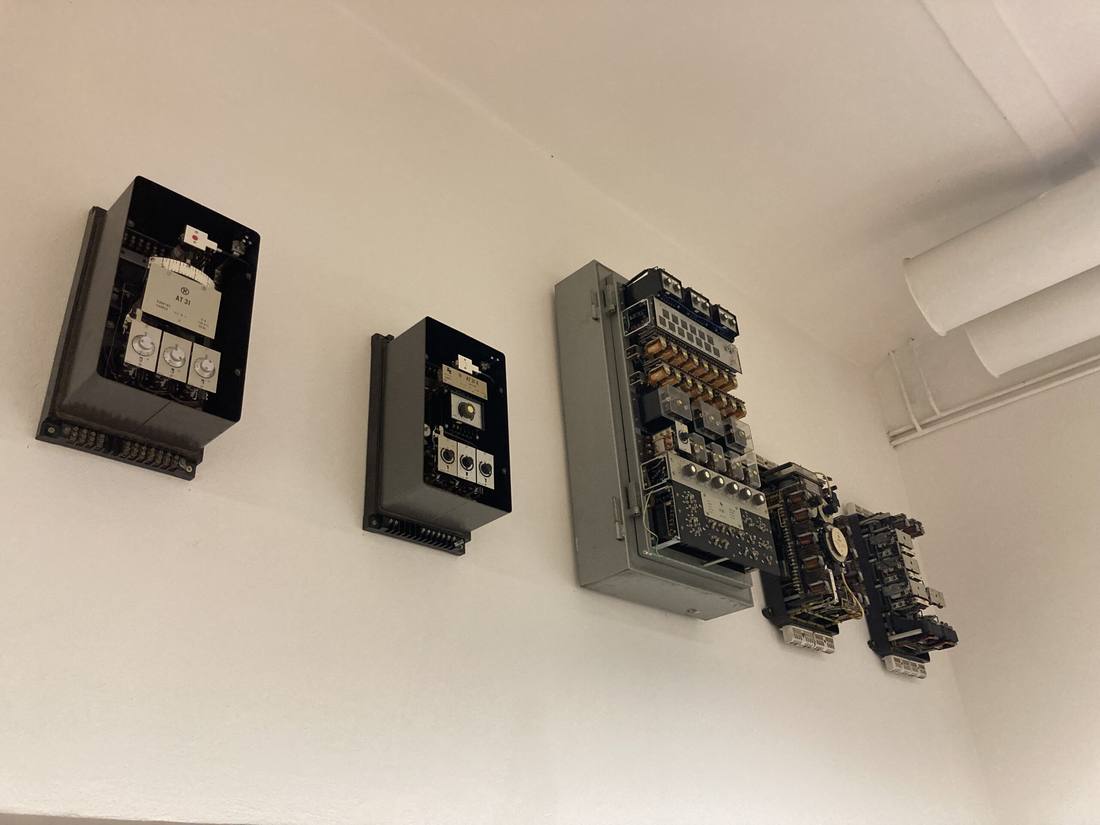
Power System Protection Laboratory
About the laboratory
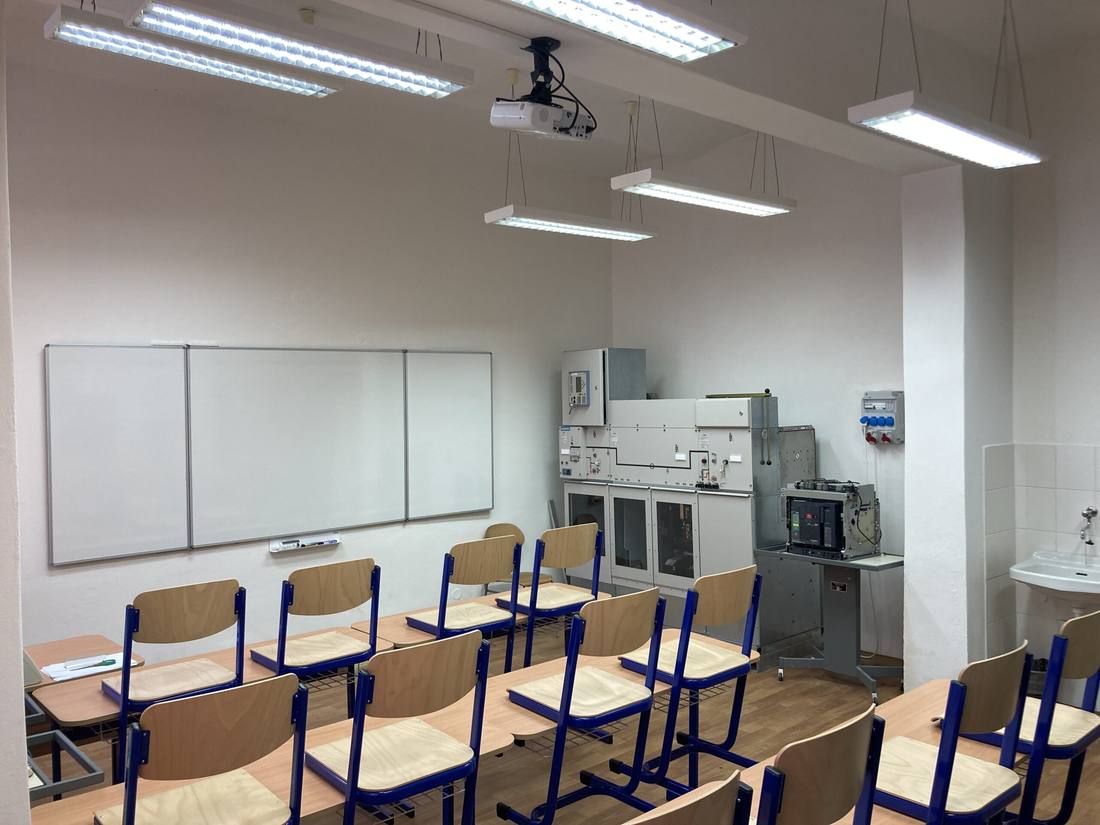
The laboratory is intended for the measurement and testing of protective relays and of the equipment used to integrate protection into the power system.
Its main purpose is to support the education of students. The laboratory also serves the needs of applied research.
Courses and learning outcomes
Protective Relays in the Power System
Fundamental knowledge of the principles of analogue and digital protective relays and of the methods used to protect power lines and power equipment.
Protection Systems in the Power System
Knowledge of systems for the protection, measurement, monitoring and control of electrical equipment. Principles of communication with intelligent electronic devices (IEDs). Design and testing of complete protection systems for power installations.
Theoretical Power Engineering
Advanced theoretical knowledge drawing on the latest research findings and development trends in power engineering — modelling of power system components, mastery of new methods of power system analysis, travelling-wave phenomena on lines, modelling and analysis of electromagnetic fields, skin effect in electrical energy transmission, and electromagnetic transients.
Research Activity 1–5
The ability to independently conceive, design, carry out and adapt a substantial body of research with scientific integrity, and to contribute through original research to extending the boundaries of scientific knowledge by producing work worthy of peer-reviewed publication. Achieving original scientific results acceptable at international level.
Power System Analysis
Extension of theoretical knowledge to include the latest research results and development trends in power system control and operation using artificial intelligence. Application of information and control systems in addressing system stability and HVDC transmission. Knowledge of equipment degradation processes and of the specifics of high-voltage engineering (TVN) for EHV DC lines. Working under liberalised electricity market conditions.
Dissertation Project
Mastery of scientific research methods and deepening of knowledge in the field of the dissertation topic. Achieving, through intensive research, original scientific results acceptable at international level. The ability to formulate the objectives of a dissertation, to design and apply scientific methods, and to present the results obtained.
Teaching in the laboratory
Two courses are taught in the Power System Protection Laboratory: Protective Relays in the Power System, and Protection Systems in the Power System.
Protective Relays in the Power System is a compulsory course taken by all students of the Electric Power Engineering programme in the third year of their bachelor's studies. On completing the course, students gain knowledge of the operating principles of the various types of protective relay — from electromechanical relays through to modern digital relays — as well as of the methods used to protect power lines and electrical machines.
In Protection Systems in the Power System, students acquire the fundamentals of designing protection systems for individual power system components, and equally for complete installations such as the protection systems of generating units, substations, and transmission and distribution networks.
The following activities are carried out in the laboratory:
Testing of auxiliary equipment for protective relays
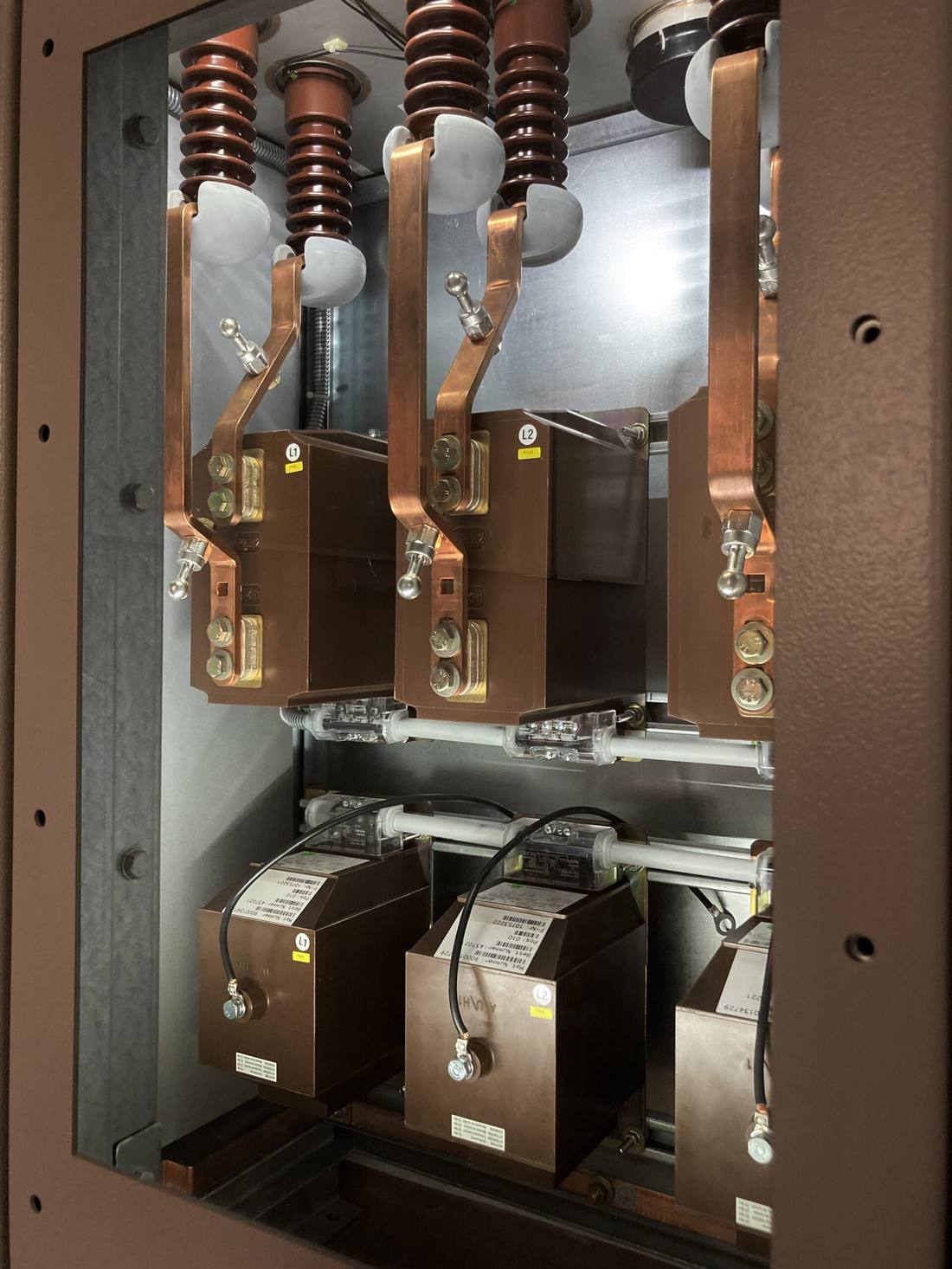
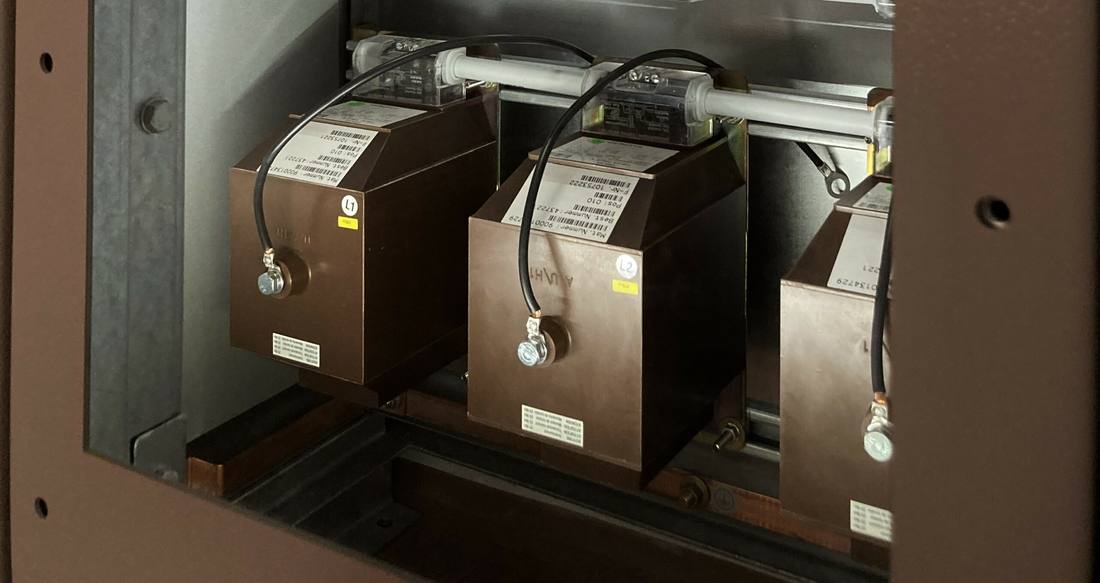
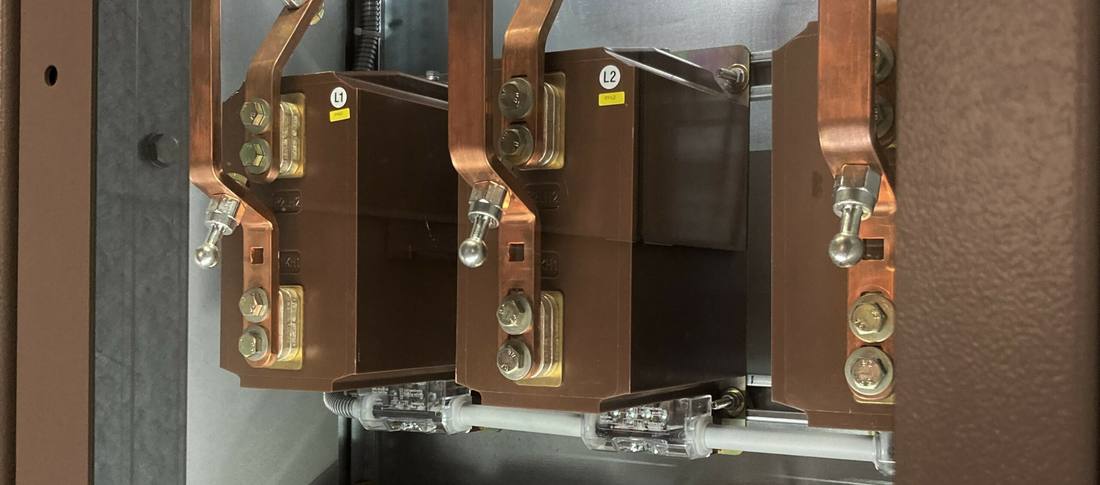
The laboratory is equipped with various types of current and voltage instrument transformers and with current and voltage sensors, on which students verify correct operation. An incorrect choice or malfunction of a current transformer (CT) or voltage transformer (VT) for a given application markedly affects the operation of the protective relay. Verifying and understanding the operating principle of each instrument transformer is therefore a very important aspect of power system protection.
Testing of digital protective relays
The laboratory allows secondary injection testing of digital protective relays using Omicron CMC 156, COMPANO 100 and SEL 4000 test sets. Testing digital relays begins with a calculation stage, in which students apply their theoretical knowledge to determine numerically the individual parameters required for correct relay settings. They then enter these values into the relay, either manually or using the ACSELERATOR QUICKSET software, and test the relay using Omicron Test Universe together with the Omicron CMC 156, COMPANO 100 or SEL 4000.
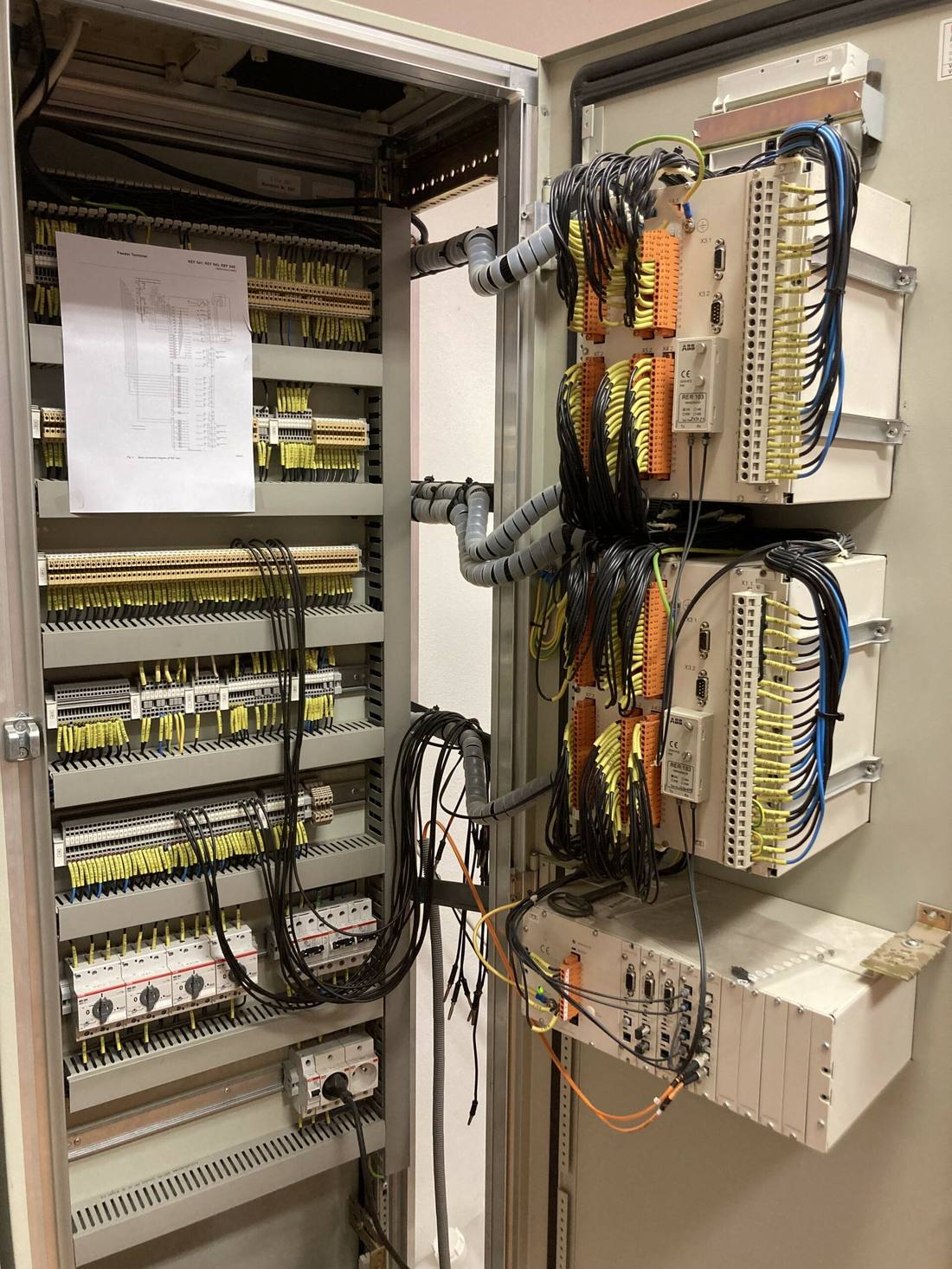
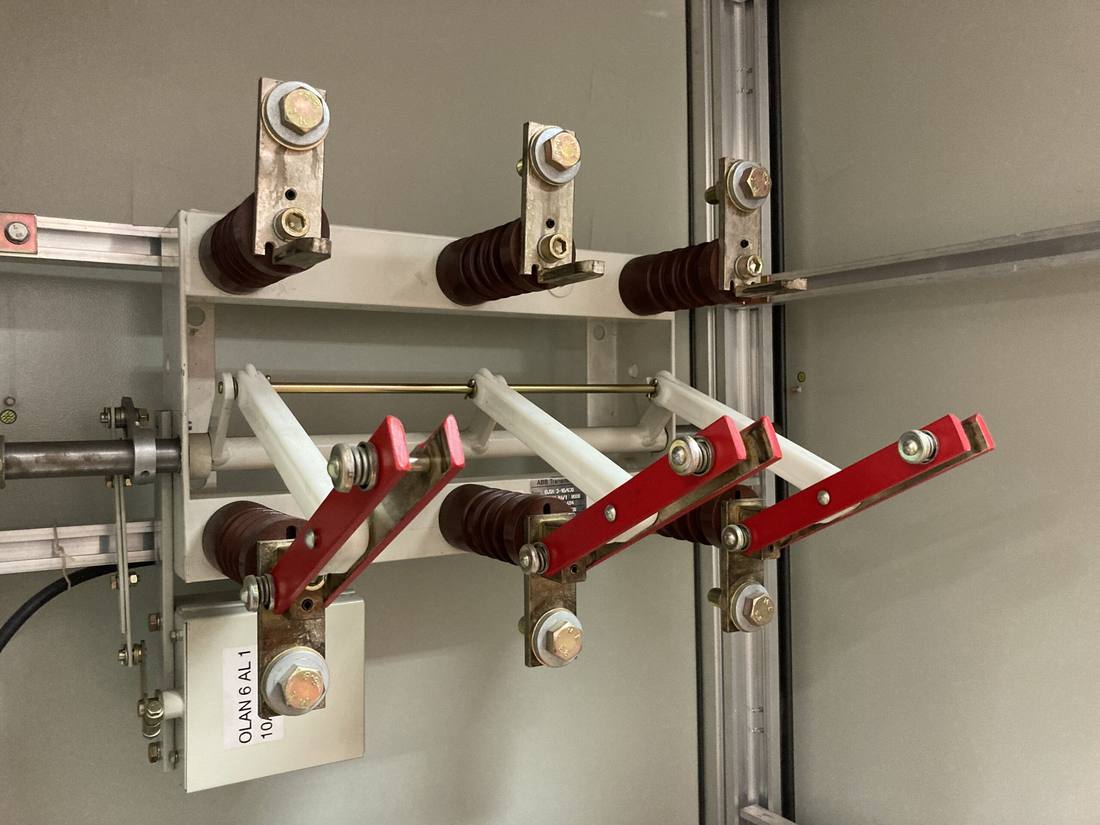
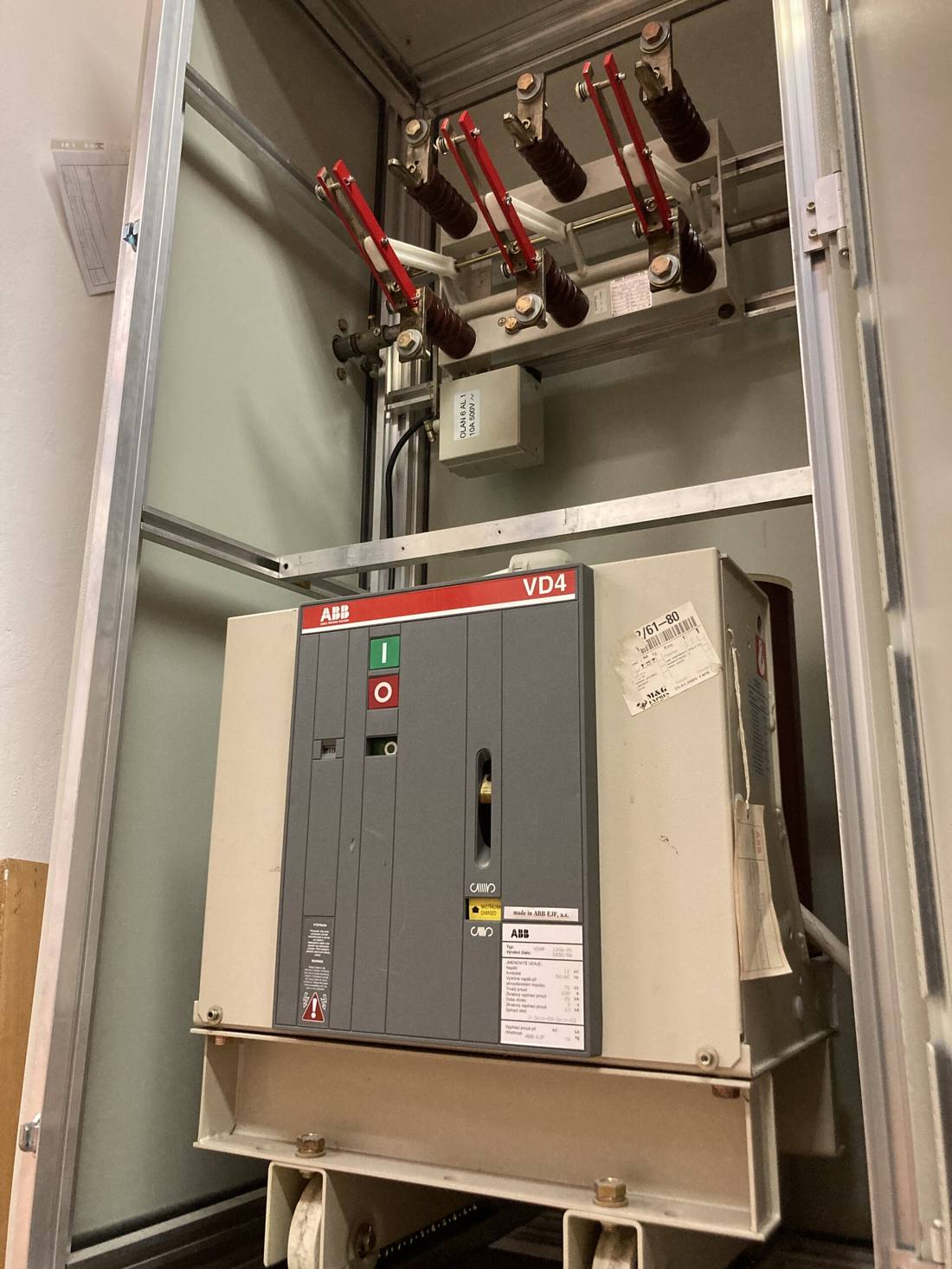
The laboratory is equipped with a wide range of digital protective relays, as well as with real MV switchgear cubicles incorporating a protective relay, a disconnector and a circuit breaker.
Equipment — multifunction workbenches
The Power System Protection Laboratory is currently equipped with three multifunction workbenches on which students can deepen their knowledge of setting digital protective relays. The relay types used are those commonly deployed in utility and industrial practice to protect a given section of network or item of equipment.
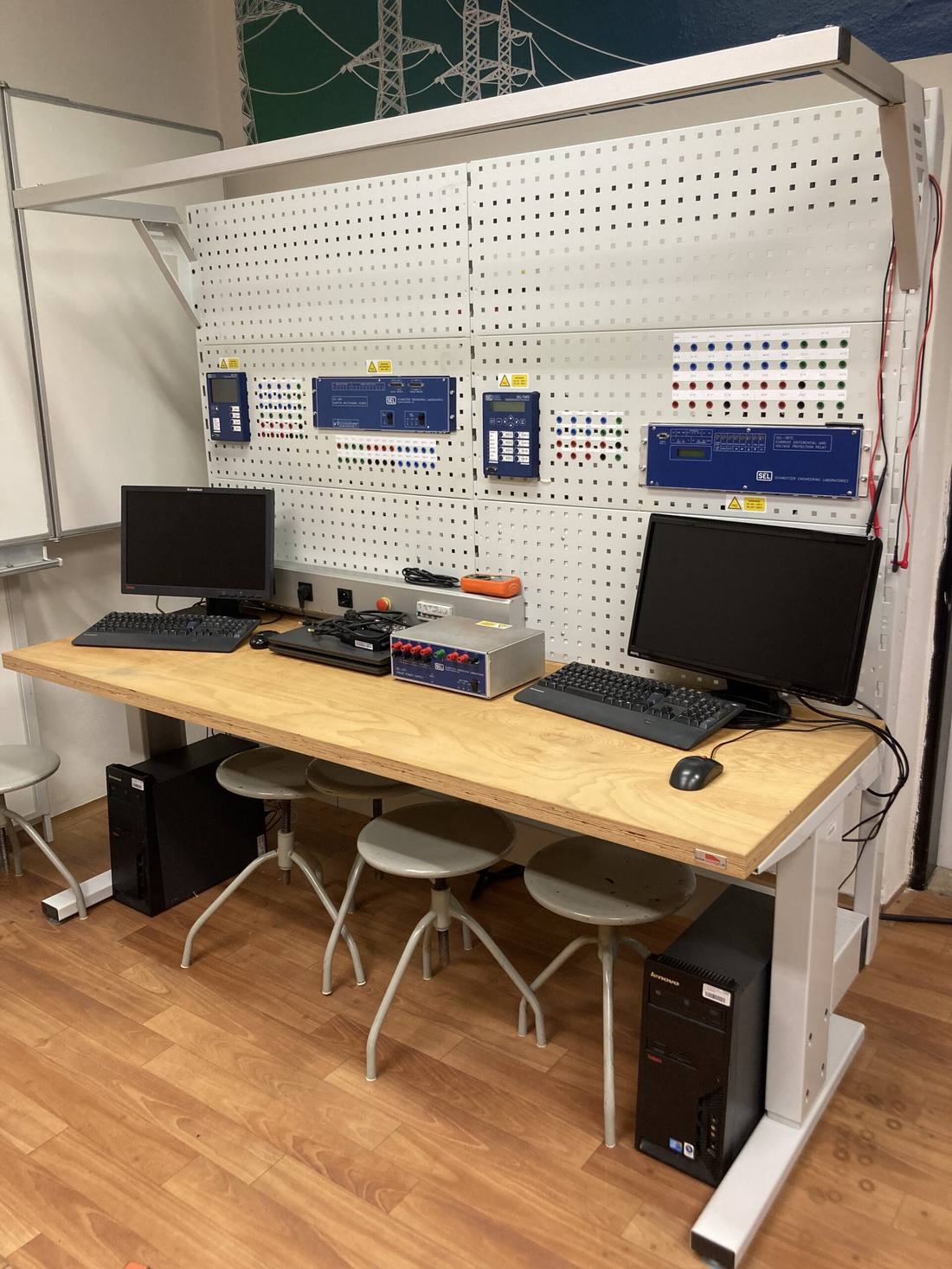 Workbench 1
Feeder terminal and testing
SEL-751 digital feeder protection relay
SEL 4000 relay test set
SEL-700G digital generator protection relay
SEL-387E digital three-restraint differential relay
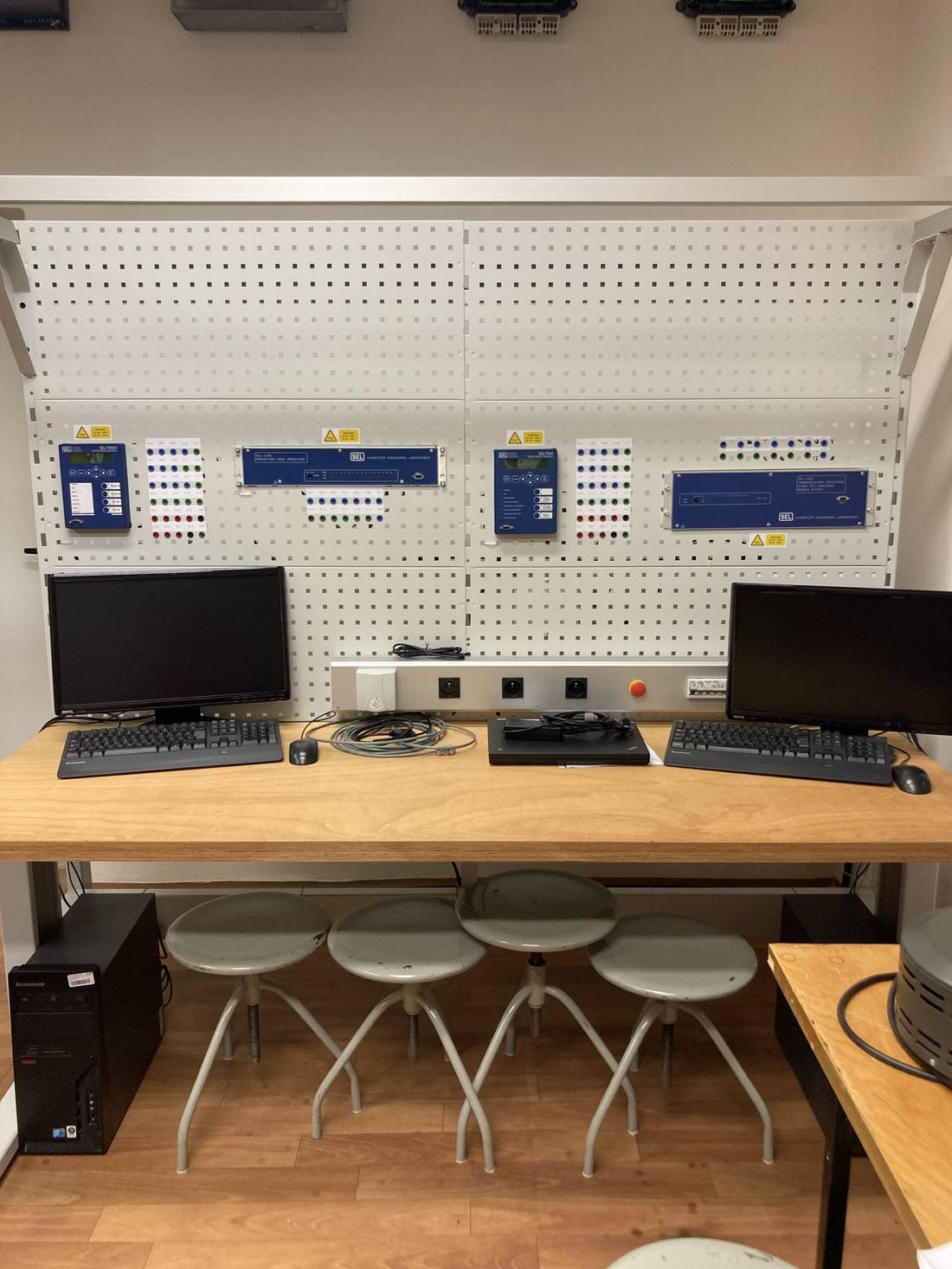 Workbench 2
Generator protection and communications
SEL-700GT digital generator protection relay
SEL-2100 protection logic processor
SEL-751A digital feeder protection relay
SEL-2032 communications processor
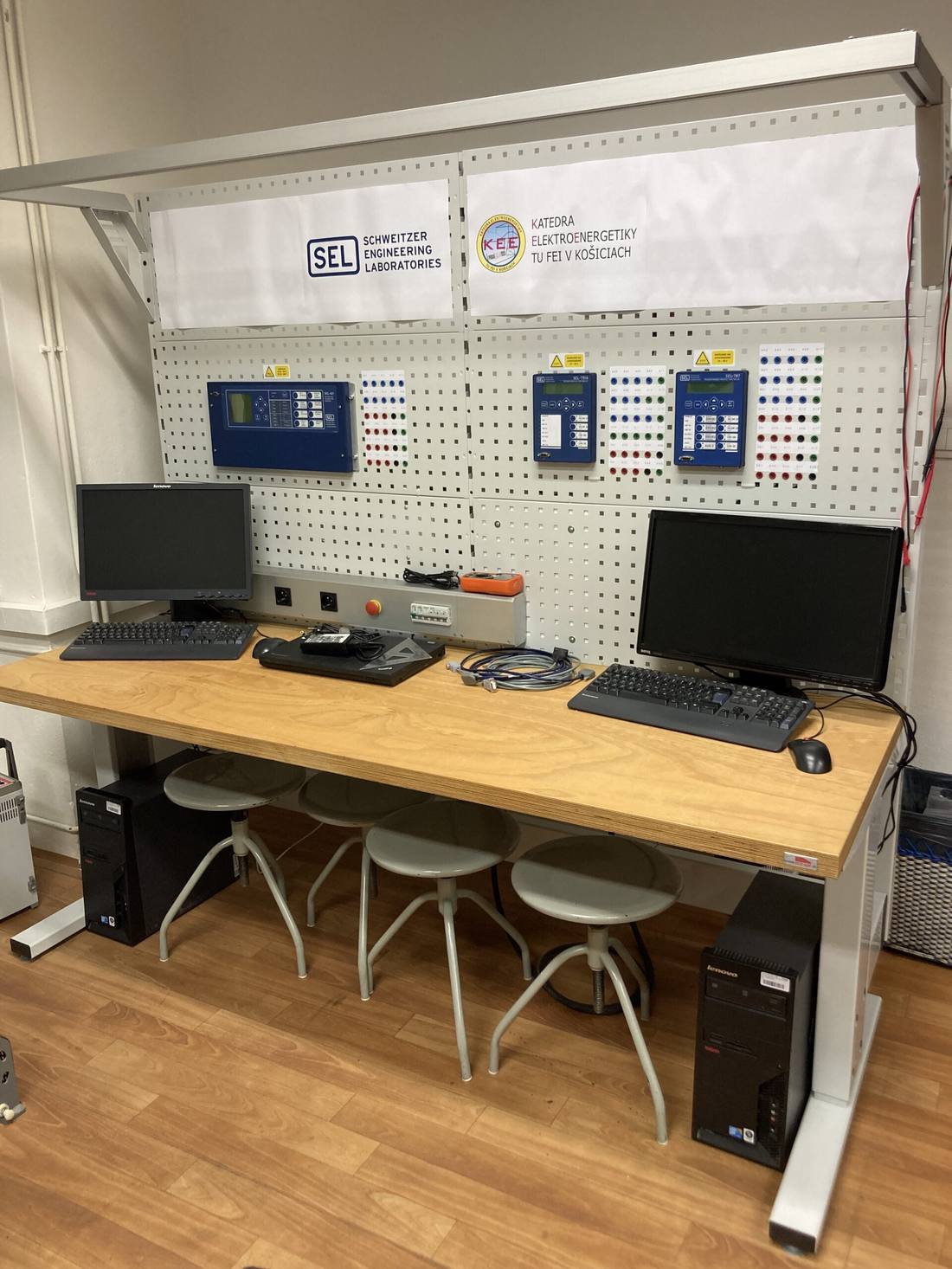 Workbench 3
Automation and transformer protection
SEL-421 digital protection and automation relay
SEL-751A digital feeder protection relay
SEL-787 digital transformer protection relay
Other equipment
- ABB REF543 digital protective relay
- ABB REX 521 digital protective relay
- Omicron CMC 156 relay test set
- Omicron COMPANO 100 relay test set
- SEL-LPS linear power supply
- ABB REF615 digital protective relay
- ABB RED615 digital protective relay
- ABB SPAM 150 C digital protective relay
- ABB SPAJ 140 C digital protective relay
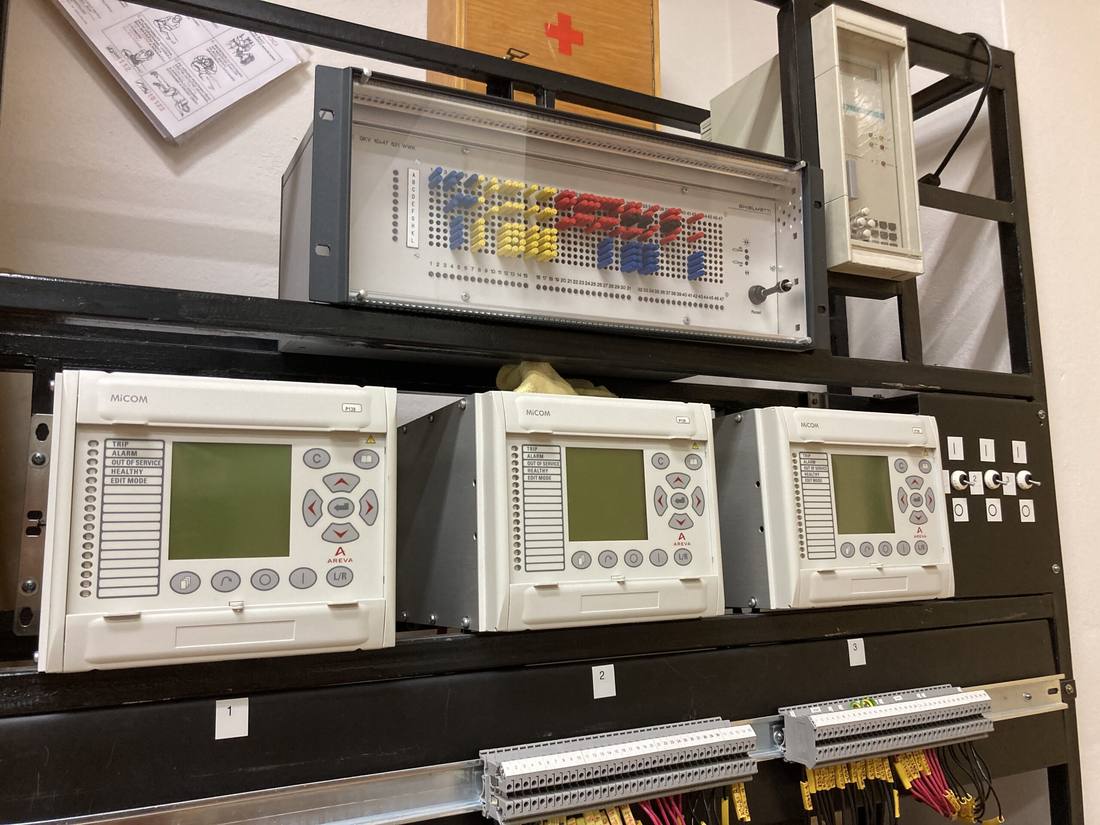
- MiCOM P139 digital protective relay
- SIEMENS SIPROTEC 7UM61 digital protective relay
- SIEMENS SIPROTEC 7SJ63 digital protective relay
Photo gallery